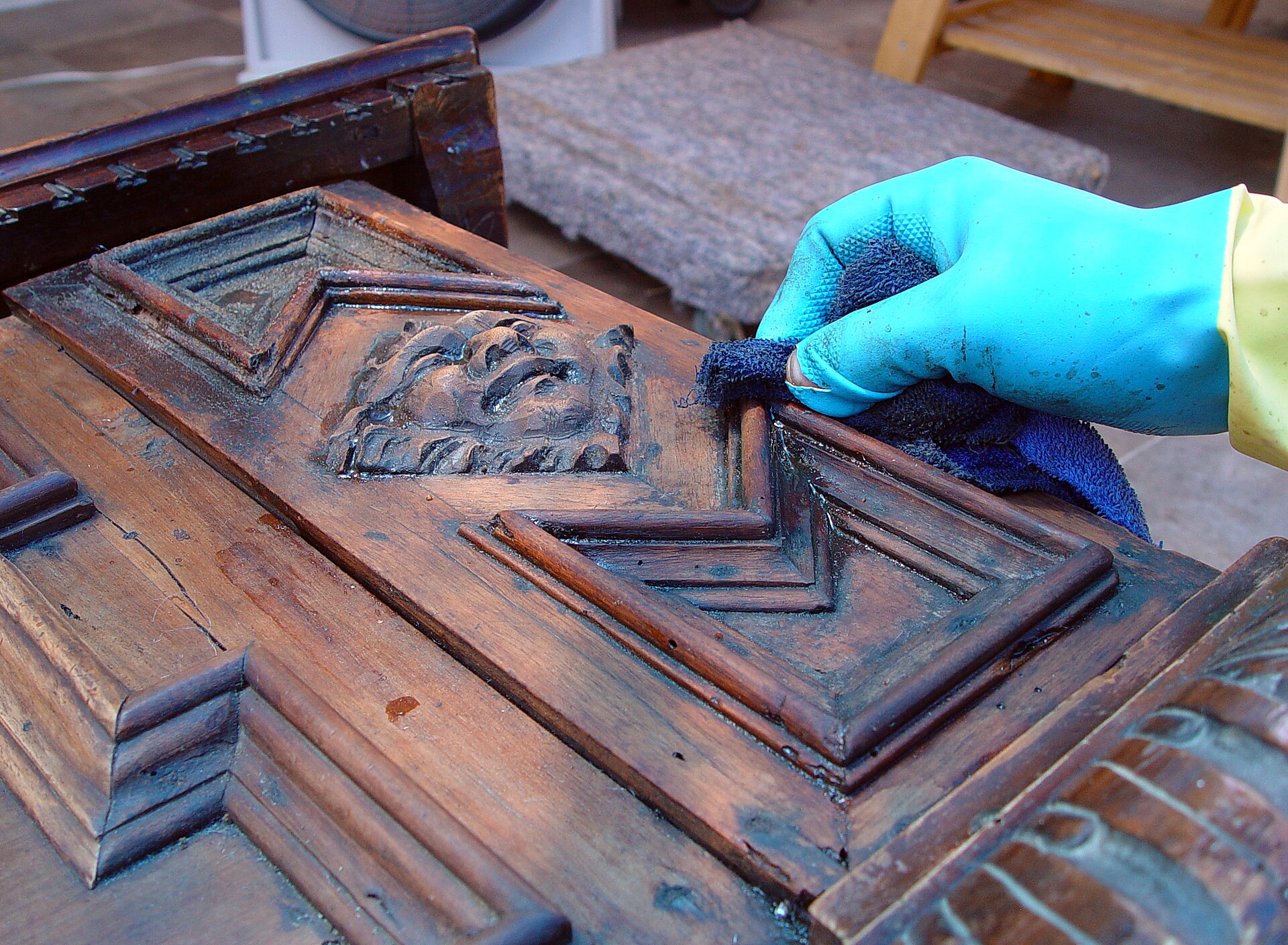
Professional view
What the work looks like
Conservation work exists in museums, historic houses, archives, religious buildings, government collections, private studios, universities, and cultural sites around the world.
A day can include
- Document condition, material, history, environment, and handling risks before treatment.
- Choose careful, minimal, and ethically appropriate care or stabilization steps.
- Work with conservators, curators, owners, architects, and craftspeople.
Tools & materials
camerascondition reportshand toolsadhesivesconsolidantssupportsenvironmental monitors
Skills that matter
- documentation
- history
- material identification
- repair judgment
- hand skills
- ethical decision making
How people learn this career
- Conservation programs
- museum internships
- historic preservation training
- specialty apprenticeships
- professional organizations
Start with a path near you: school, mentorship, apprenticeship, technical training, college, or supervised work.
Try it now
Explore the work safely.
- Write a condition note for a non-historic practice object without altering it.
- Compare a finish sample and record what is visible, tactile, and uncertain.
- Practice photographing and labeling the same object before and after a safe cleanup.