Prepare the space
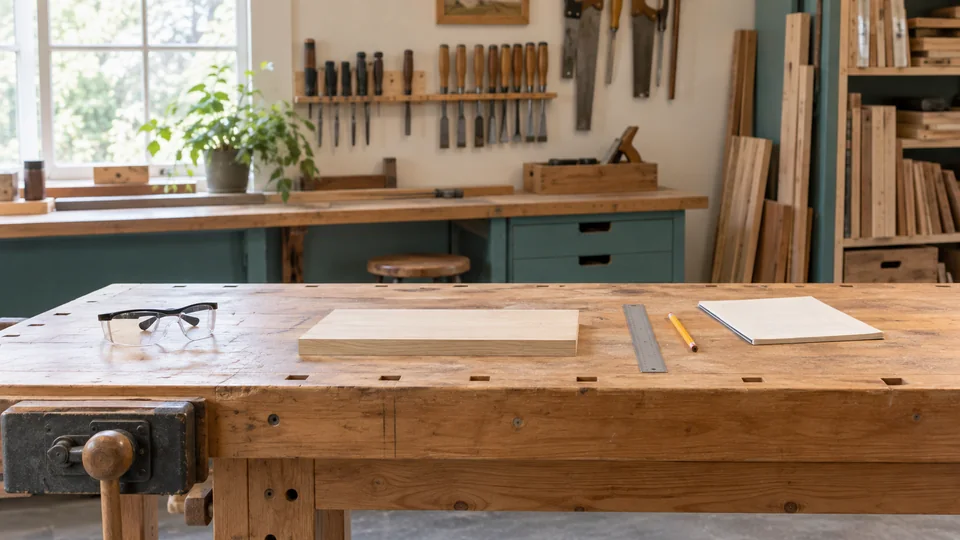
Clear the bench, set the light, manage cords, and choose stable workholding.
TWG Kids
Practical teaching resources for mentors who inspire the next generation of woodworkers.
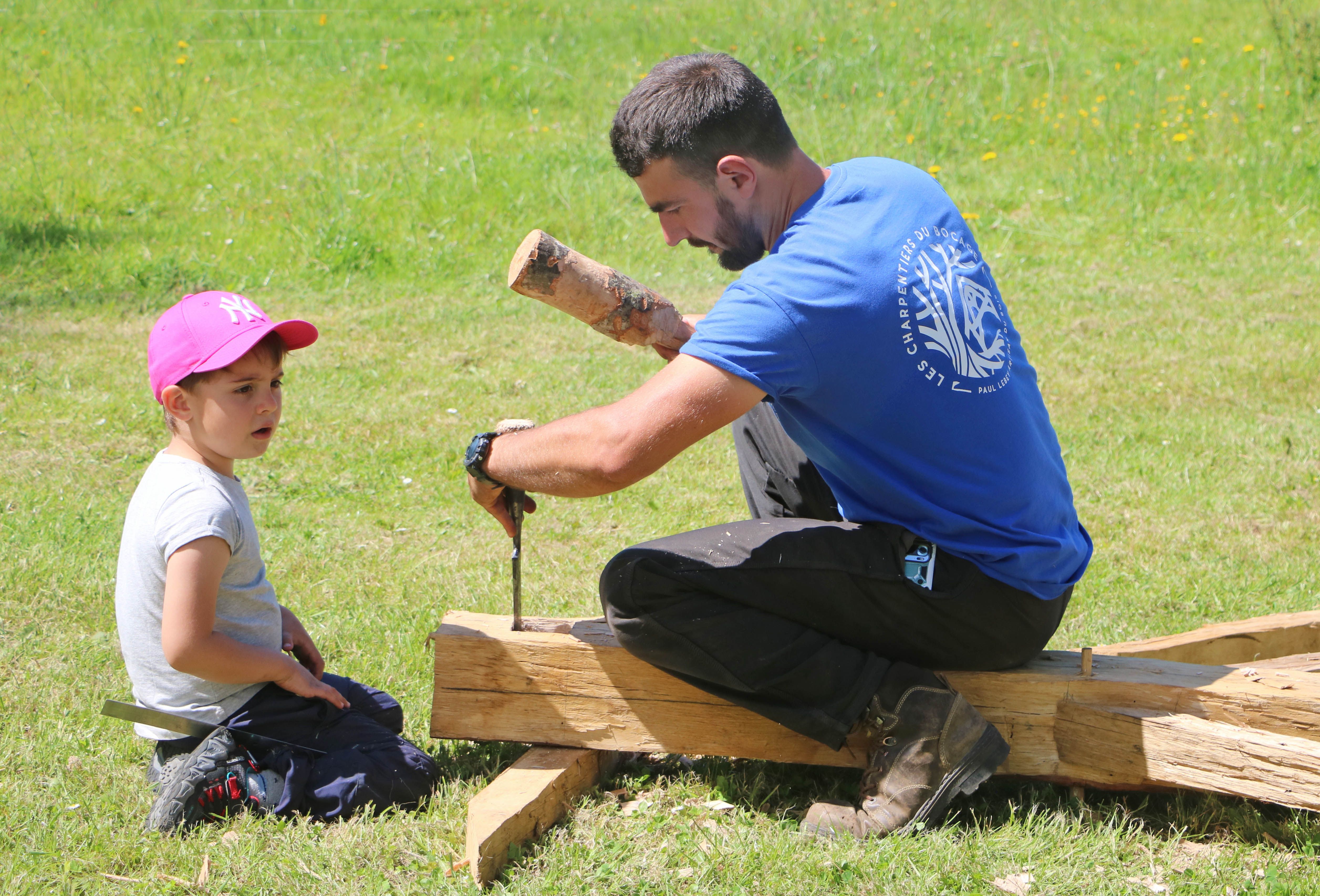
Safety Foundation
A prepared space, the right habits, and clear expectations help every young woodworker succeed.
Clear the bench, set the light, manage cords, and choose stable workholding.
Set eye, hearing, dust, clothing, and hair protection before tools move.
Adult checks the tool, material, guard, setup, and stopping point before the lesson.
Use a visible stop signal, one clear job, calm corrections, and a real cleanup.
Run the session
Use the same sequence for a first sanding session, a source-linked project, or a small club station. The learner gets a real job, while the adult owns readiness and tool boundaries.
Mentor Toolkit
Choose the route that fits today’s session. Every card opens a distinct working resource, with a clear picture of its purpose.
New to TWG Kids? Begin here for an overview of the approach and how to use this guide.
→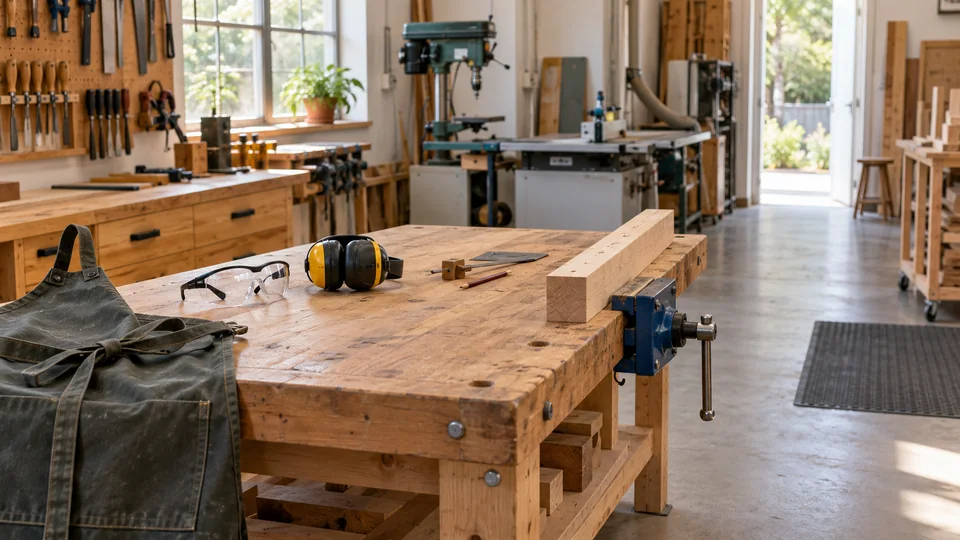
Create a safe, welcoming workshop and build strong safety habits.
→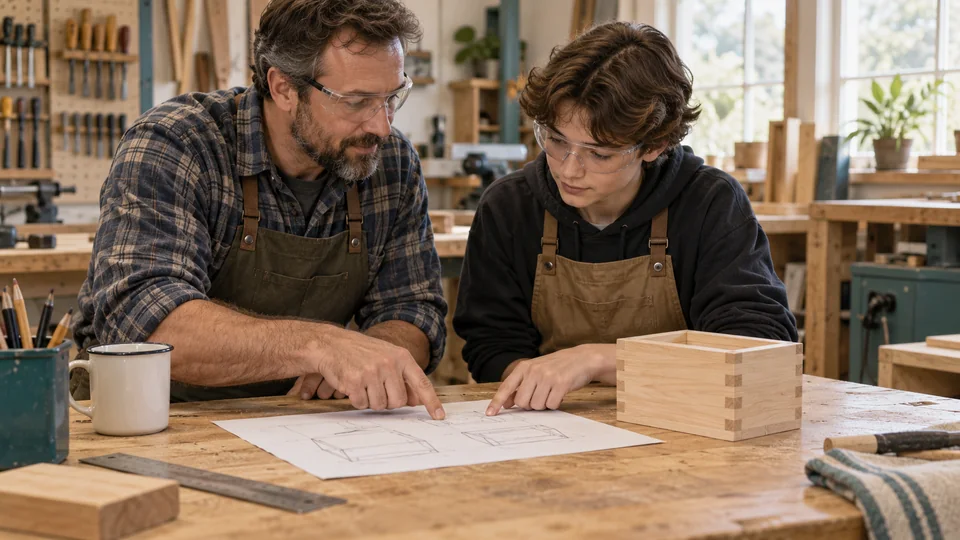
Tips and techniques for teaching woodworking skills with confidence.
→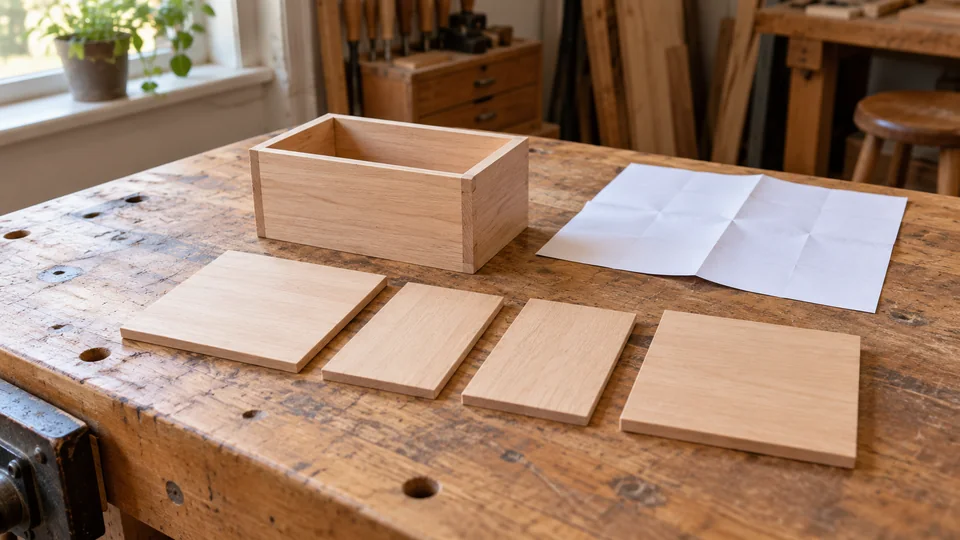
Step-by-step project lessons that build skills and pride.
→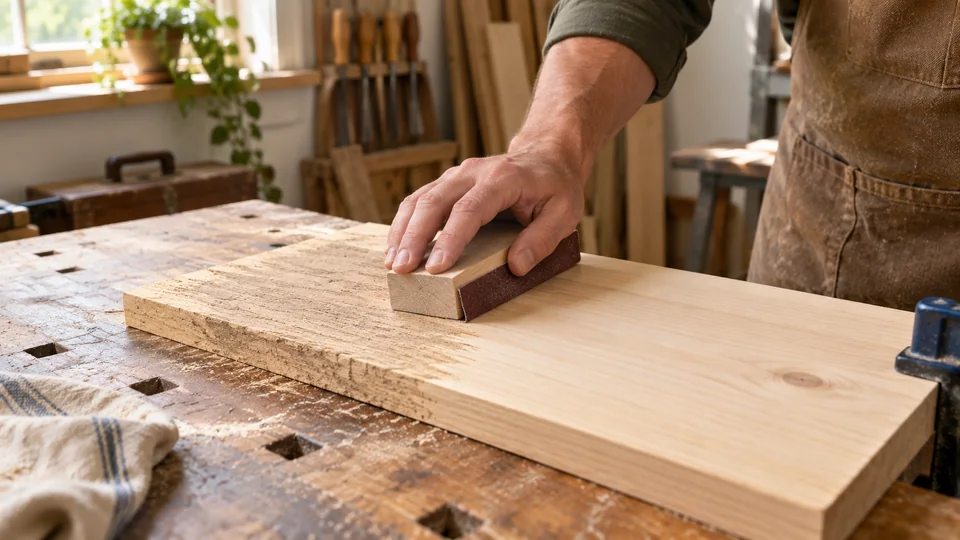
Focused lessons that teach and reinforce core woodworking skills.
→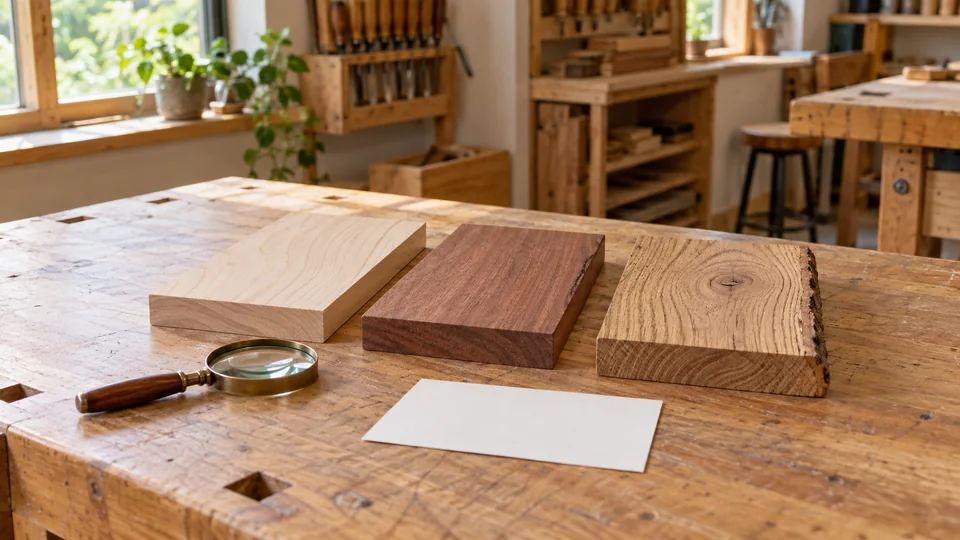
Discover wood through simple experiments and investigations.
→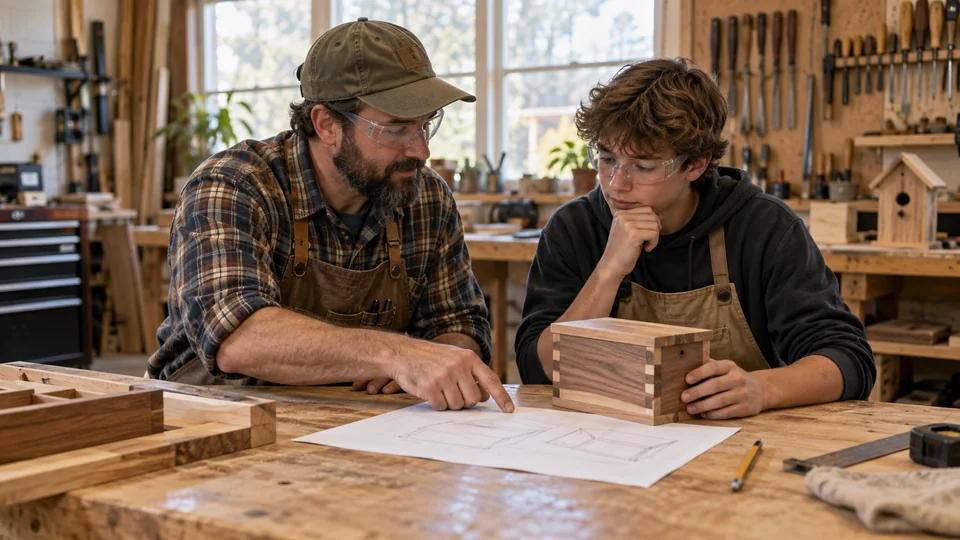
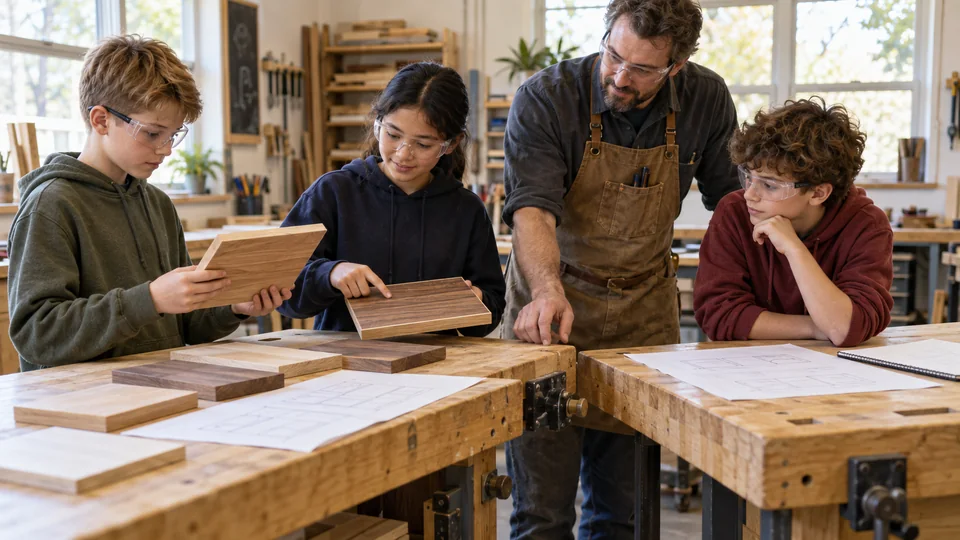
Strategies for mentoring individual learners and building confidence.
→
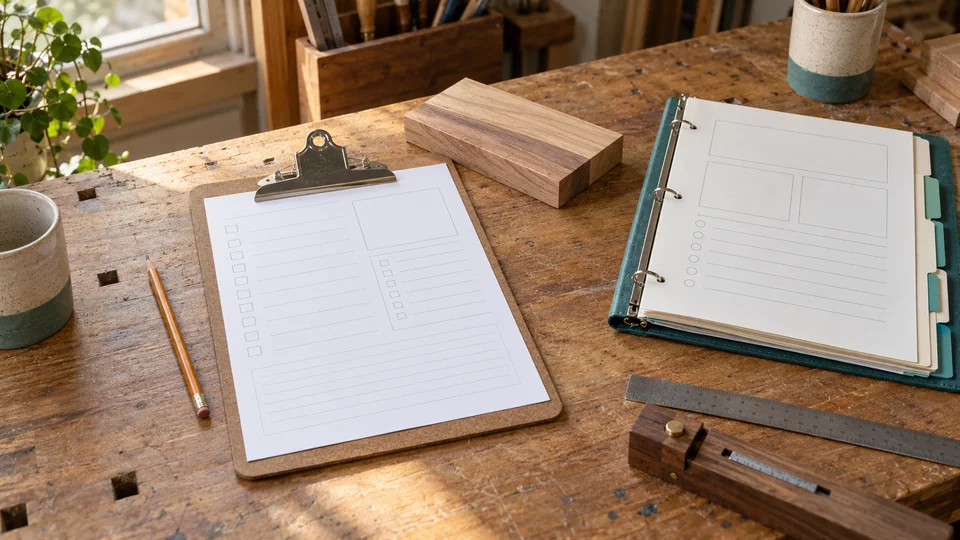
Plan and lead successful sessions for groups of any size.
→
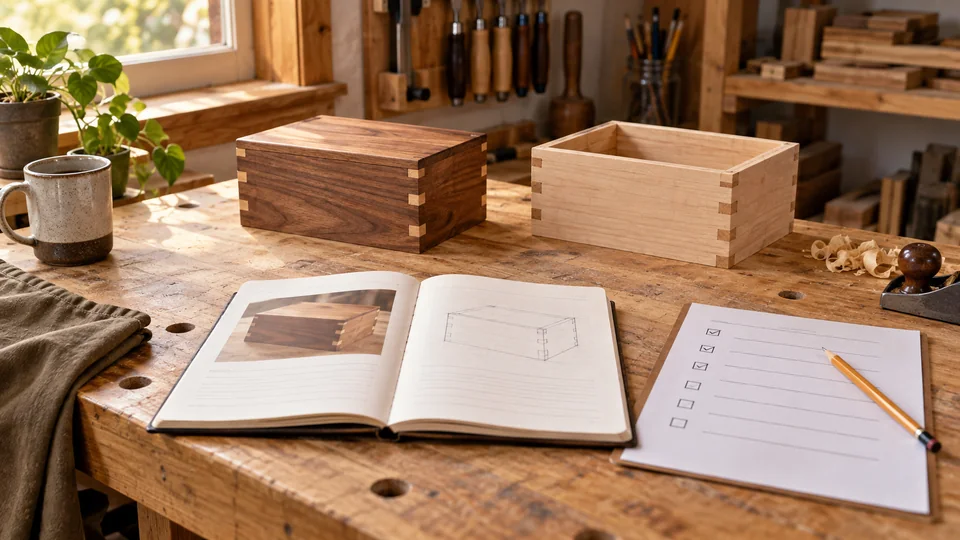
Worksheets, checklists, project records, and session tools ready to use.
→
Track growth, celebrate progress, and reflect on learning.
→Lesson Library
Open one complete lesson or skill resource, then shape the session around the learner in front of you.
Eight resources are ready to open: start with the No-Cut Lab or Simple Wooden Box, then use the full library to choose the next supported build or skill.
A calm first session that makes sanding sequence, witness marks, dust cleanup, and surface inspection visible without a saw, drill, or finish product.
Open lesson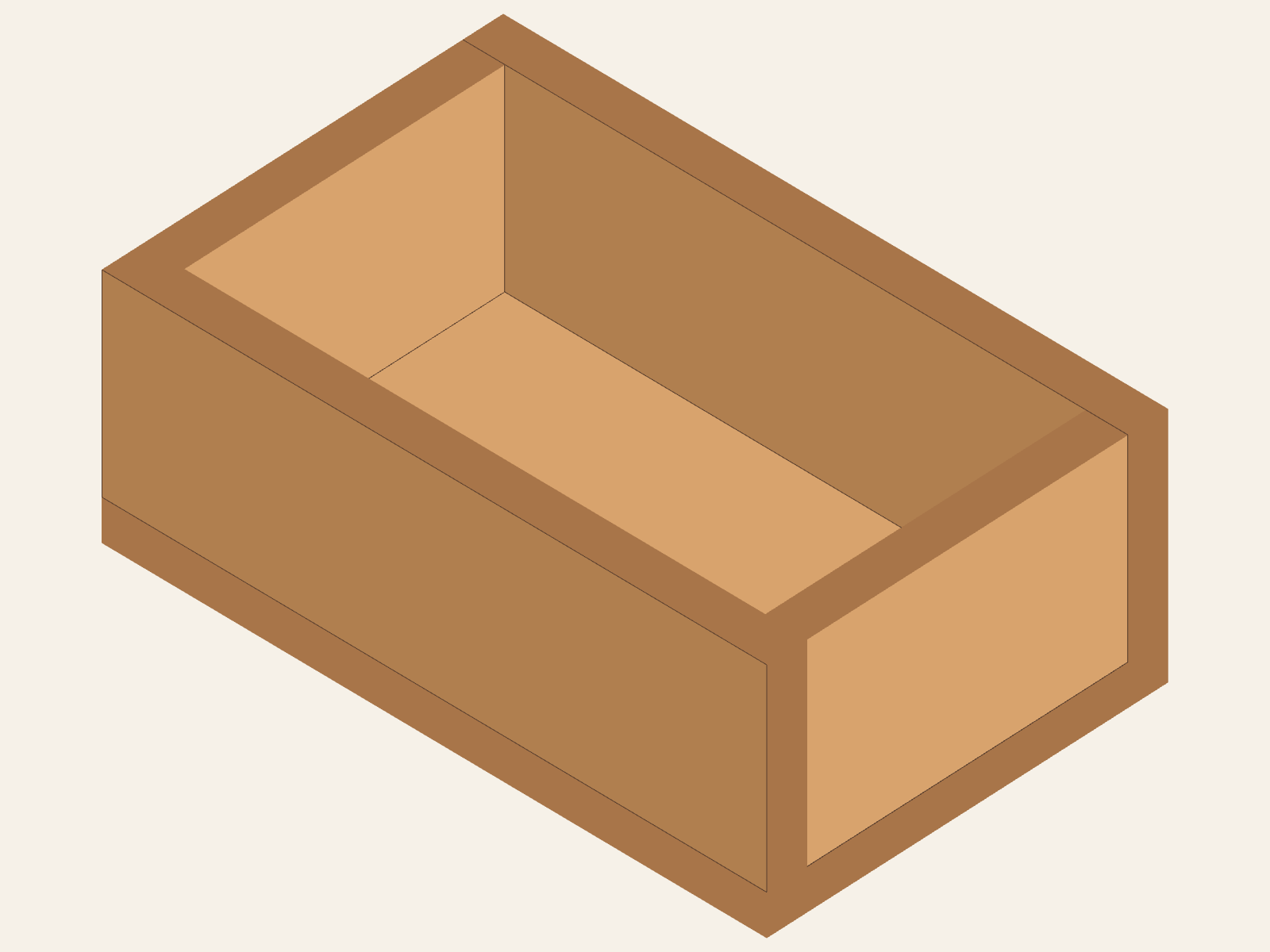
An illustrated TWG box-build lesson for reading five prepared parts, checking the fit, and understanding the adult-controlled fastening path.
Open lesson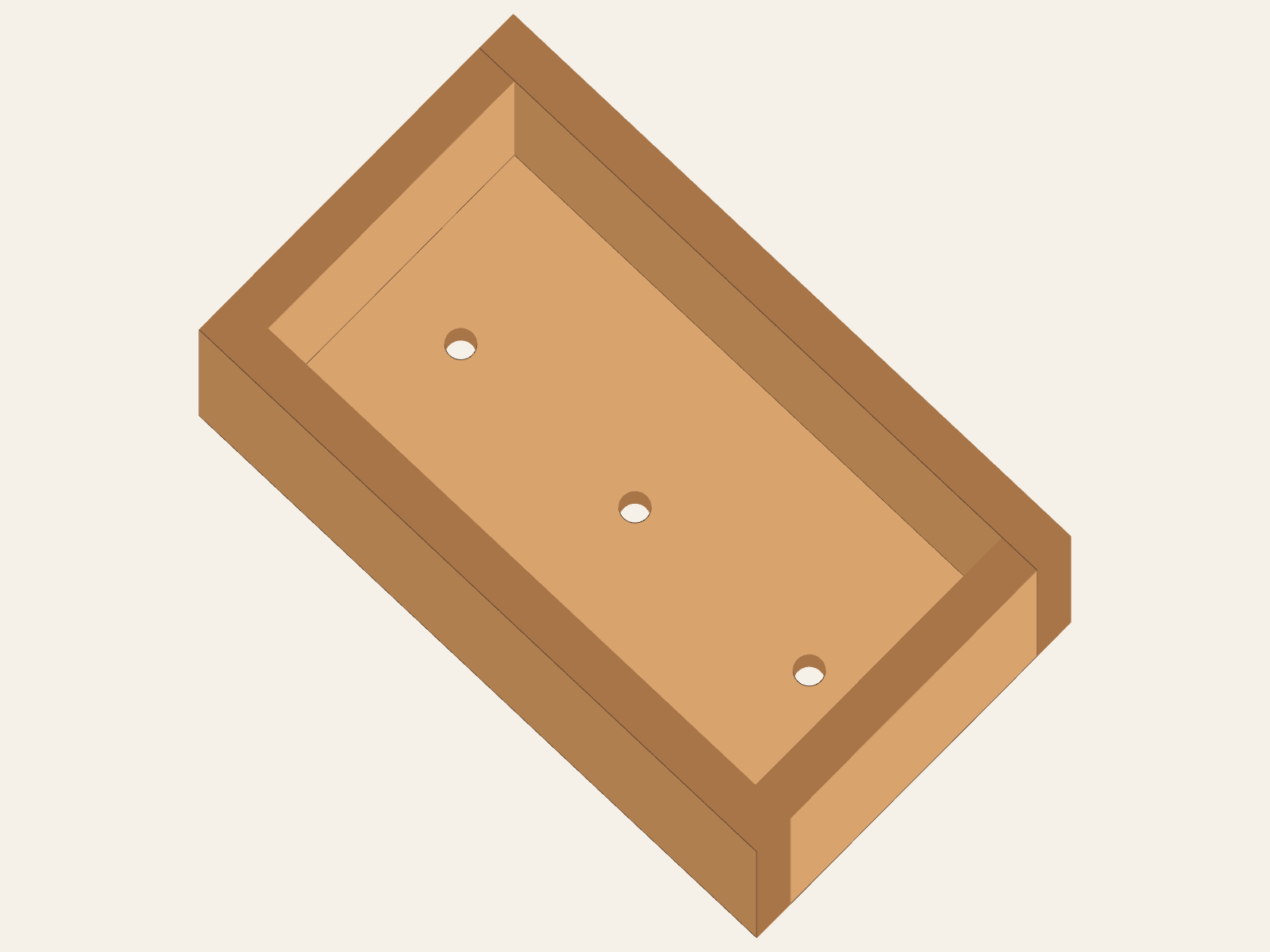
An illustrated, adult-led path through the Illinois 4-H Flower Box activity. Source directions and TWG clarifications are labeled separately.
Open lesson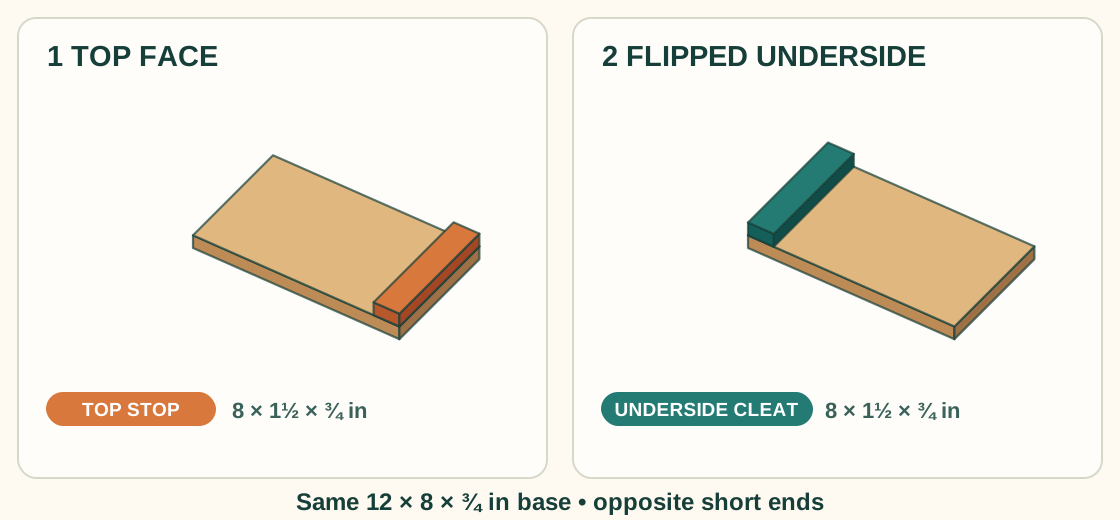
A measured three-part TWG bench hook model for learning workholding orientation and adult-controlled assembly. Actual use needs an adult check.
Open lesson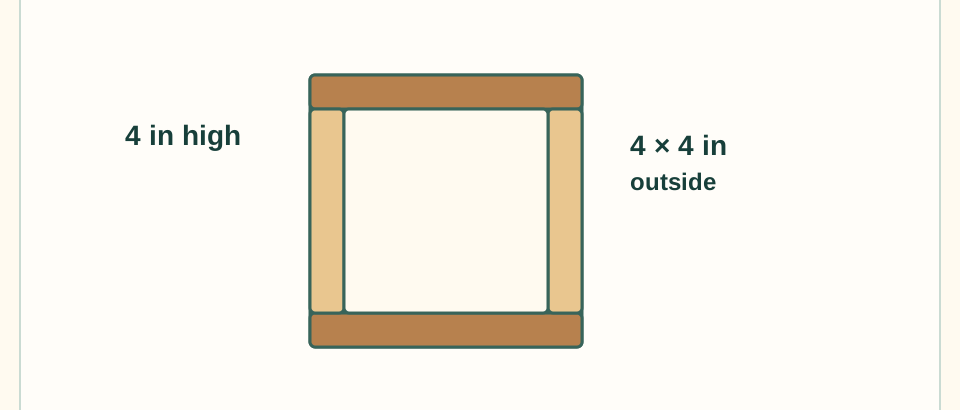
A small open organizer that teaches a complete four-wall assembly, a measured base, and a useful final object for a desk or shop bench.
Open lessonTrusted External Resources
These official programs and technical references are source material, not TWG partnerships or copied plans.
Adult shop hazard and safety-control reference.
Open source↗Official sequence for safe tools, plans, projects, and careers.
Open source↗Four-stage youth curriculum and project progression.
Open source↗Youth woodworking project framework.
Open source↗Wood science, moisture, finishing, and material background.
Open source↗Official reference with adult-supervision guidance.
Open source↗Source-linked project and skill education.
Open source↗Progression, activity records, and career context.
Open sourceProgress + project records
Use a simple record for skills demonstrated, material notes, time, cost, reflection, and the next project decision. The printable set includes 12 adult-ready tools.