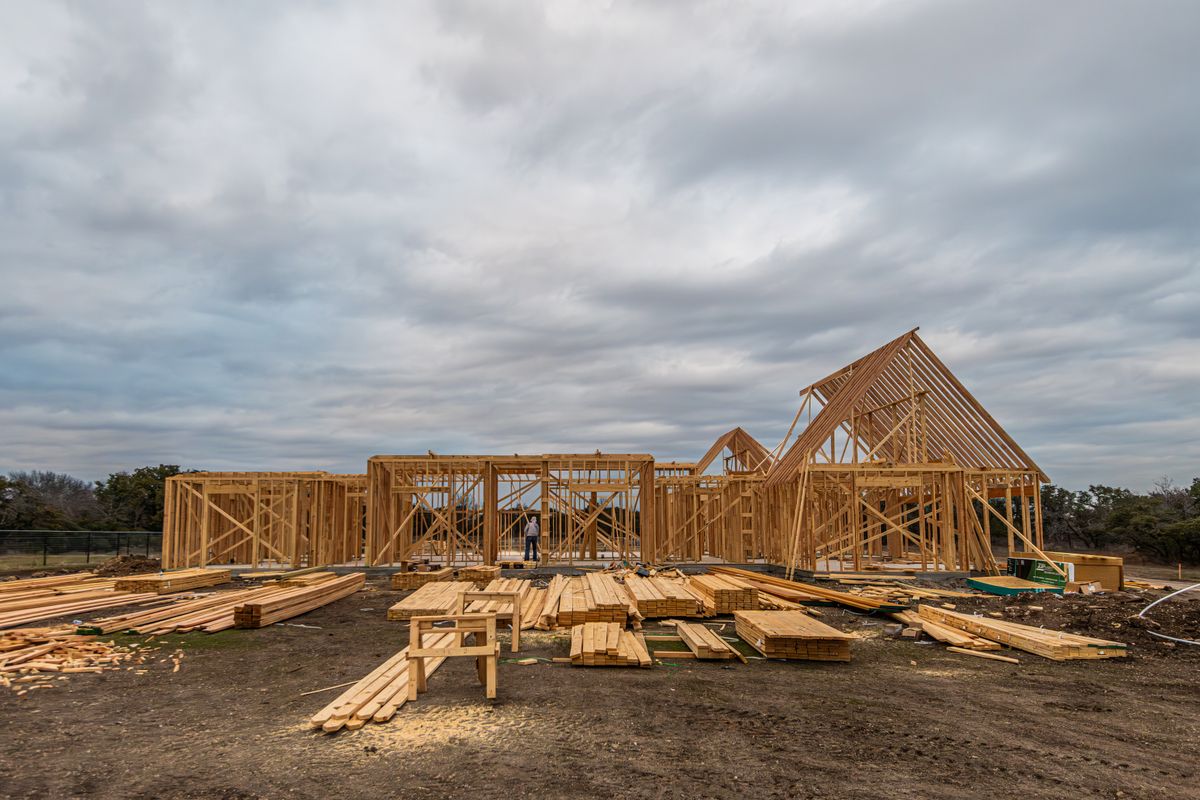
Professional view
What the work looks like
Residential construction exists in new homes, remodels, additions, repairs, restoration, and prefabrication shops across communities.
A day can include
- Read a plan and confirm dimensions, materials, sequence, and site conditions.
- Lay out, build, inspect, and protect framed components while working with other trades.
- Keep work areas organized and pause when a safety, measurement, or coordination question needs an adult or qualified lead.
Tools & materials
dimensional lumberengineered wood productsfastenerssquareslevelslayout toolsPPEapproved site equipment
Skills that matter
- plan reading
- layout
- measurement
- material handling
- team communication
- site safety
How people learn this career
- Registered apprenticeship
- career and technical education
- supervised job-site experience
- community college
- trade association training
Start with a path near you: school, mentorship, apprenticeship, technical training, college, or supervised work.
Try it now
Explore the work safely.
- Use a paper plan to label a wall, opening, floor, roof, and the direction each part supports.
- Measure and label repeated cardboard or scrap pieces without cutting them.
- Compare a small box's sequence—measure, dry-fit, assemble, inspect—to a framed wall's larger sequence.